For homeowners accustomed to the North American appliance market, sourcing premium kitchen equipment in Mexico can feel disorienting. The brands are mostly the same — Miele, Sub-Zero, Wolf, Thermador, Smeg, Gaggenau — but the purchasing infrastructure is entirely different.
There are no equivalents of Appliances Connection or Yale Appliance. Brand websites for Mexico operate exclusively in Spanish. Product catalogs don’t always match US models. Pricing structures differ. And the question that hovers over every expat kitchen project — “Should I just bring my appliances from the US?” — has a more nuanced answer than most people expect.
This guide explains which premium brands operate in Mexico, where to find them, how pricing and servicing work, and how appliance specification fits into the broader kitchen design process.
Which premium brands are available in Mexico
The major premium appliance brands maintain a presence in Mexico through authorized distributors, brand-operated showrooms, or both. Here is the current landscape.
Miele
Miele operates two Experience Centers in Mexico: one in Polanco, Mexico City and one in Guadalajara. These are full showrooms where you can see and test cooking, cooling, and dishwashing appliances. Miele’s product range in Mexico is comprehensive but may not include every model available in the US or European markets — certain specialty items (steam ovens in specific configurations, particular color finishes) may require special ordering.
Miele’s authorized partner network in Mexico includes kitchen design studios that can specify, order, and coordinate installation of Miele appliances as part of an integrated kitchen project. This is often the most efficient channel for English-speaking homeowners, as the studio handles communication, logistics, and technical coordination.
Sub-Zero and Wolf
Sub-Zero and Wolf have an extensive authorized dealer network across Mexico, with more than 40 locations including Mexico City, Guadalajara, Monterrey, Cancún, Los Cabos, Querétaro, and Puebla. The primary distributor operates through dedicated showrooms where the full refrigeration (Sub-Zero), cooking (Wolf), and dishwashing (Cove) lines can be specified.
Sub-Zero refrigerators are particularly popular in the Mexican luxury market due to their integrated panel-ready designs, which allow the appliance to be visually unified with kitchen cabinetry.
Smeg
Smeg has established a growing presence in Mexico with a showroom in Roma Norte, Mexico City (Avenida Álvaro Obregón 241) and an online store at smeg.com.mx. The brand offers both its iconic retro-styled small appliances and its professional-grade built-in cooking and refrigeration lines.
An important detail for international buyers: Smeg Mexico warranties are valid only within Mexico and do not transfer to other countries. If you’re outfitting a vacation property, this is not a concern. If you’re planning to relocate appliances to the US later, it is.
Thermador
Thermador does not operate a Mexico-specific website, which creates the impression that the brand isn’t available locally. In fact, Thermador products are distributed through authorized channels including appliance dealers in Mexico City, Monterrey, and Guadalajara. Some Thermador products are actually manufactured in Mexico (their Juárez facility), though this doesn’t affect retail availability.
Gaggenau
Gaggenau, the ultra-luxury division of BSH (alongside Bosch and Thermador), is available through select dealers in Mexico’s major cities. The brand’s product range in Mexico focuses on cooking appliances — ovens, cooktops, ventilation — and serves the highest tier of the residential market.
BORA
BORA, the German cooktop manufacturer known for its integrated downdraft ventilation system, has been gaining traction in the Mexican luxury kitchen market. The system eliminates the need for a range hood, allowing for cleaner sight lines and more flexible kitchen layouts — a particular advantage in open-plan designs. BORA is available through authorized kitchen studios in Mexico.
Voltage and compatibility: can I bring my US appliances?
Mexico’s electrical system operates at 127V / 60Hz — very close to the US standard of 120V / 60Hz. In practice, this means most American appliances work without issues in Mexico. You will not need transformers or voltage converters for US-made equipment.
However, “works” and “is a good idea” are different things.
Reasons to buy locally
Warranty and service. Appliances purchased in the US typically carry US-only warranties. If your Thermador oven needs service in Mexico City, the authorized service network may decline warranty coverage on a US-purchased unit. Buying through Mexican authorized channels ensures local warranty coverage and access to certified service technicians.
Gas compatibility. Mexico uses primarily LP gas (propane) for residential cooking, while many US homes run on natural gas. Gas appliances often require conversion kits to switch between fuel types. Some brands include conversion kits; others charge for them or limit availability. Verify gas type compatibility before purchasing.
Logistics and customs. Importing large appliances into Mexico involves customs duties, shipping costs, and the risk of transit damage. Mexico’s menaje de casa provision allows qualifying new residents to import household goods duty-free within a specific window, but this applies only to permanent or temporary residents bringing existing possessions — not to new purchases shipped directly from a US retailer.
Model availability. Certain models sold in the US market may not be serviceable in Mexico if replacement parts aren’t stocked locally. An authorized Mexican dealer will only specify models that their service network supports.
When importing makes sense
Specialty items that are genuinely unavailable in Mexico — a specific professional-grade range, a wine storage unit in an unusual capacity — may justify importation. In these cases, work with a customs broker or your kitchen studio to manage logistics. Budget an additional 20 to 30 percent above the purchase price for shipping, duties, and handling.
How appliance specification works in a kitchen project
In a well-managed kitchen project, appliance selection is not an afterthought — it happens during the design phase, before cabinetry dimensions are finalized.
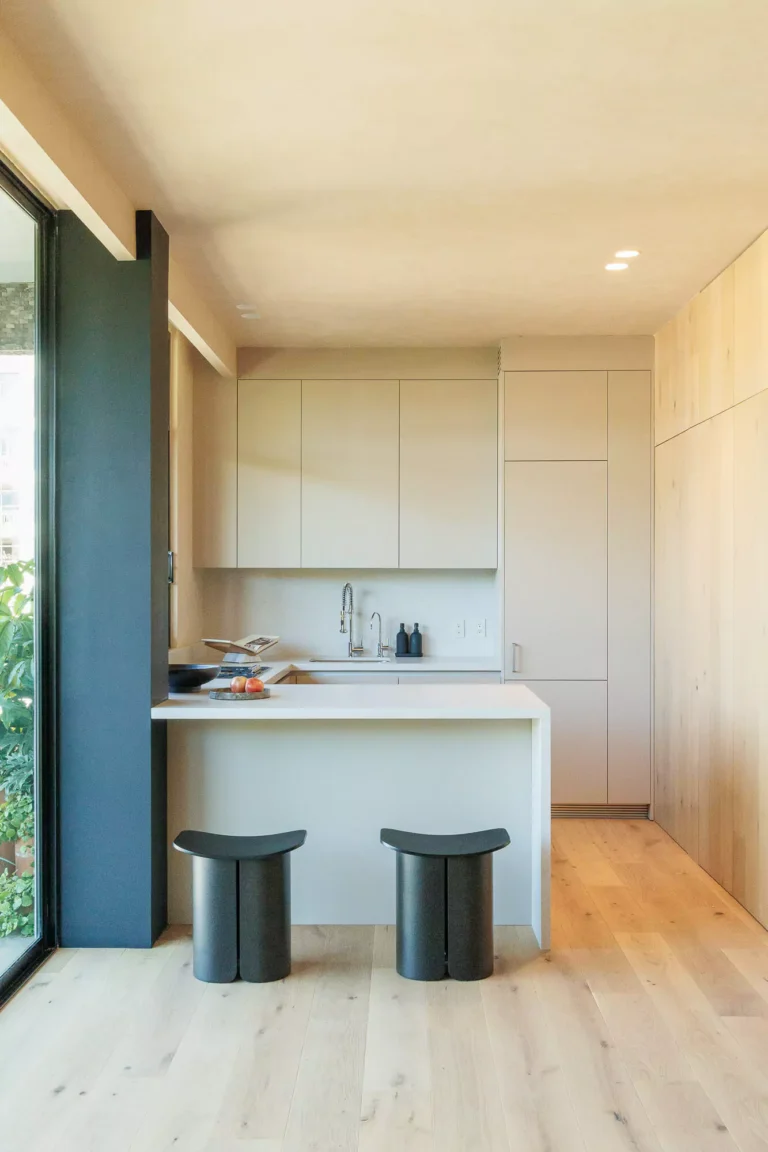
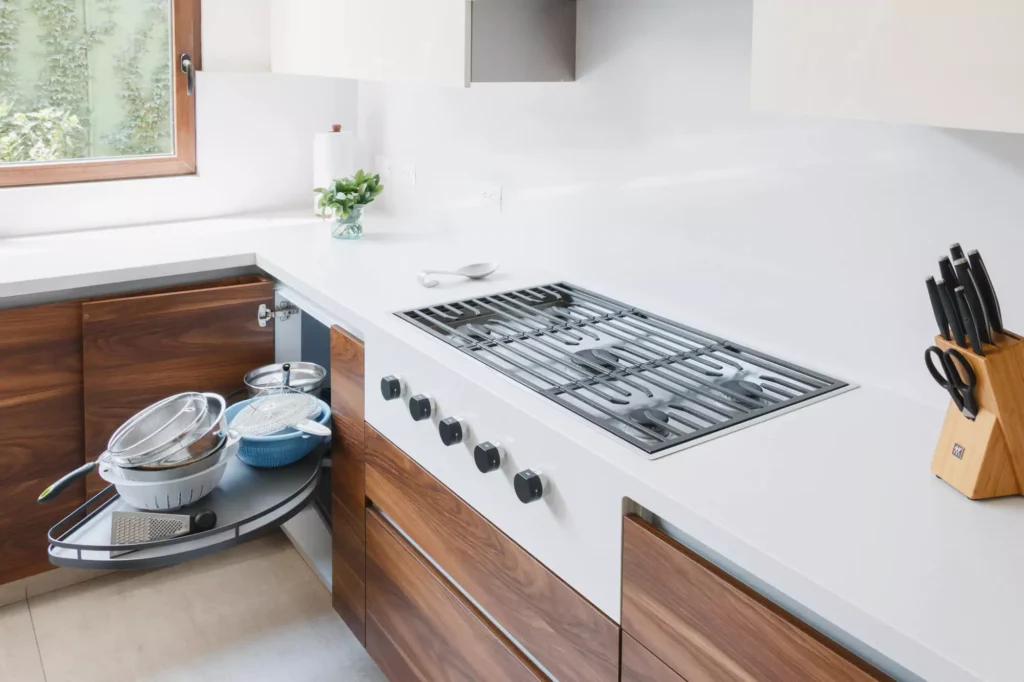
This matters because appliance dimensions determine cabinet dimensions. A panel-ready refrigerator requires a specific cavity depth and width. A built-in oven dictates the tower unit’s interior dimensions. A cooktop affects countertop cutout locations and ventilation routing. A dishwasher needs precise panel clearances.
If appliances are selected after cabinetry is designed, dimensions may not align. This leads to gaps, misaligned panels, and compromised aesthetics — problems that are expensive to fix and impossible to ignore.
The specification process
In a studio model, the design team typically handles appliance specification as an integrated part of the project:
Needs assessment. How do you cook? How many people use the kitchen? Do you entertain frequently? Do you need double ovens, a steam oven, an induction cooktop, or a gas range? These answers determine the appliance program.
Brand and model selection. Based on cooking preferences, aesthetic requirements, and budget, the team recommends specific models that are available and serviceable in Mexico.
Technical coordination. Appliance specifications are incorporated into the fabrication drawings. Electrical, gas, and ventilation requirements are documented and coordinated with the installation team.
Procurement. The studio places orders through authorized channels, managing delivery timing to align with the installation schedule.
Integration and testing. During installation, each appliance is fitted, connected, and tested to confirm proper operation.
This integrated approach prevents the most common appliance problems in kitchen renovations: last-minute model changes that don’t fit the cabinetry, delivery delays that hold up the entire project, and installation issues caused by incomplete technical coordination.
Outdoor kitchen appliances
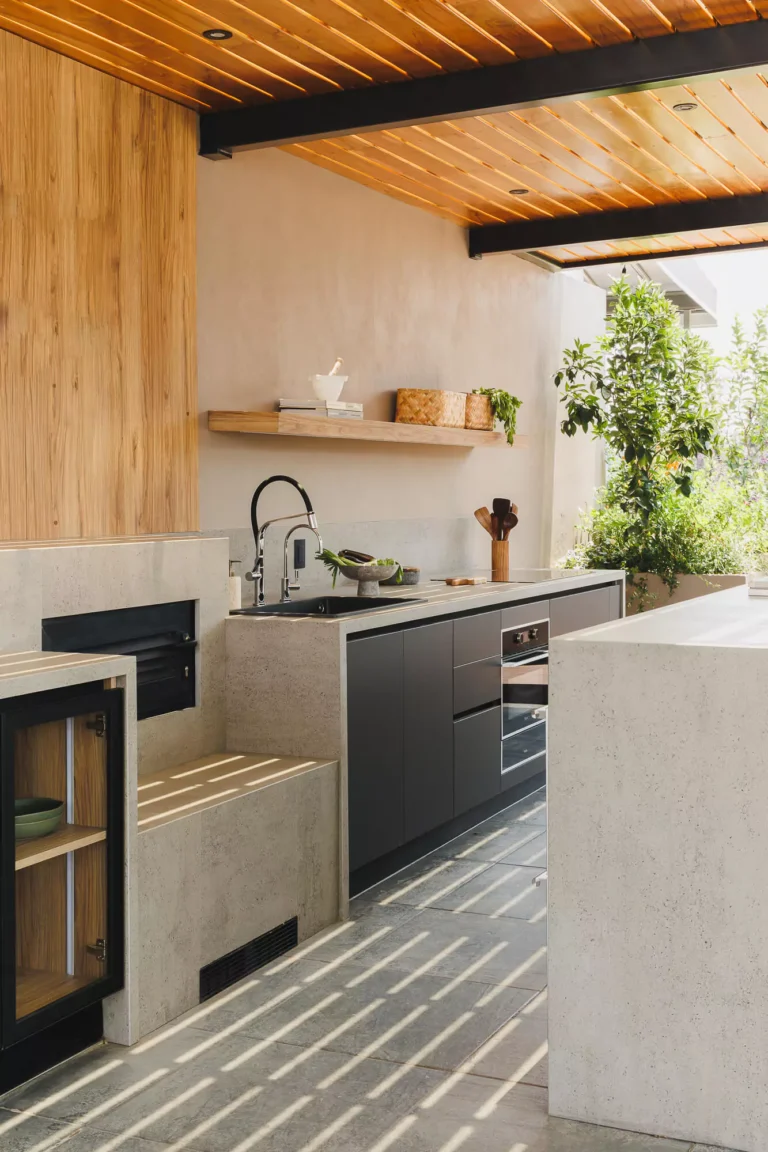
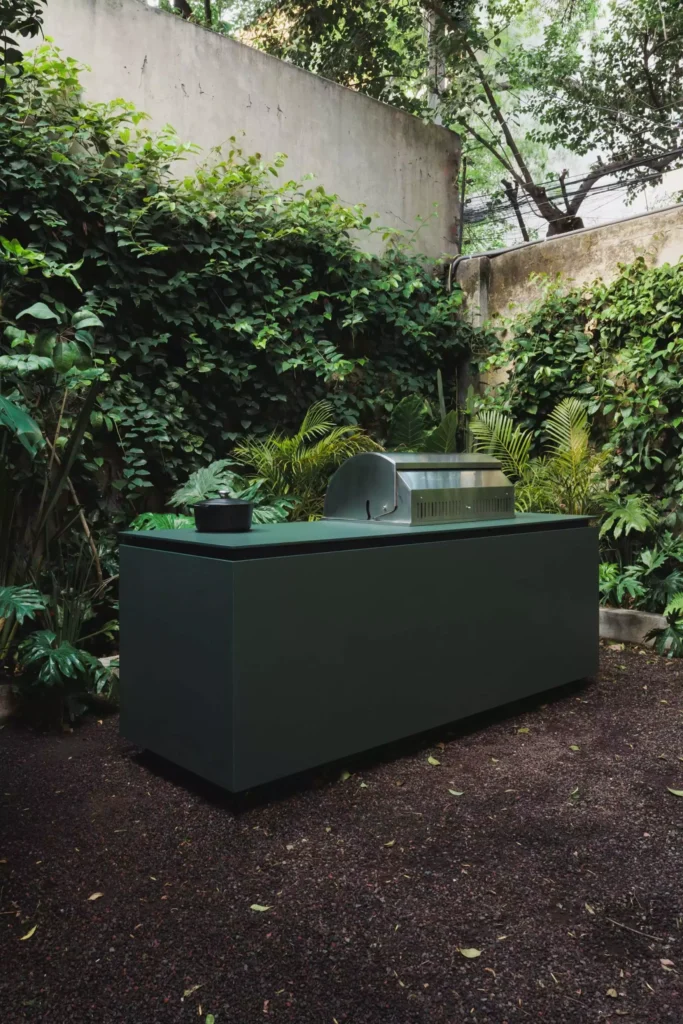
Outdoor appliance specification follows different rules. Equipment must be rated for outdoor use — standard indoor appliances are not designed for temperature fluctuations, humidity, or rain exposure.
The primary outdoor appliance categories include high-performance grills (gas, charcoal, or kamado-style), outdoor-rated refrigerators and beverage centers, sinks with weather-resistant fixtures, and — increasingly — invisible induction cooktops designed for built-in outdoor installation.
Brands with strong outdoor offerings available in Mexico include Blaze (grills and outdoor equipment), Big Green Egg and Kamado Joe (ceramic kamado grills), and True (outdoor refrigeration).
Pricing expectations
Premium appliance pricing in Mexico is generally comparable to US pricing for the same models — sometimes slightly higher due to import duties, sometimes lower due to promotional programs or different pricing structures.
As a rough guide for budgeting purposes:
Refrigeration. A premium built-in refrigerator (Sub-Zero, Miele) ranges from $80,000 to $250,000 MXN ($4,500 to $14,000 USD) depending on size and configuration.
Cooking. A high-end built-in oven (Miele, Gaggenau) starts at approximately $40,000 MXN ($2,200 USD). Professional-grade ranges (Wolf, Thermador) range from $100,000 to $350,000 MXN ($5,500 to $19,000 USD).
Dishwashing. Premium dishwashers (Miele, Bosch) range from $25,000 to $60,000 MXN ($1,400 to $3,300 USD).
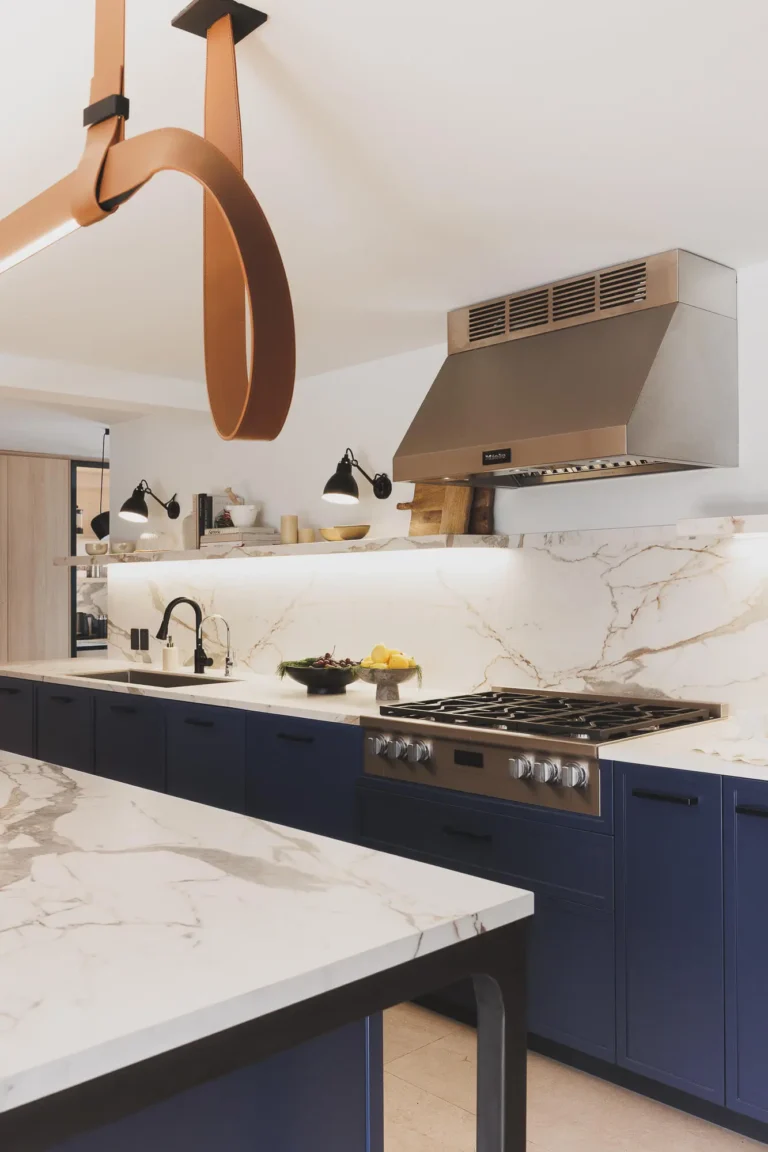
Ventilation. Range hoods from $15,000 to $80,000 MXN ($800 to $4,400 USD). BORA downdraft systems are in the $60,000 to $120,000 MXN range ($3,300 to $6,600 USD).
These figures are indicative and fluctuate with exchange rates, promotional periods, and model availability.
Frequently asked questions
Can I use my US kitchen appliances in Mexico?
Most US appliances work in Mexico without modification, as Mexico’s electrical system (127V/60Hz) is compatible. However, US warranties typically do not apply, gas type may differ (LP vs. natural gas), and servicing may be limited. For premium appliances, buying through Mexican authorized channels is recommended.
Where can I buy Miele appliances in Mexico?
Miele operates Experience Centers in Polanco (Mexico City) and Guadalajara. Appliances can also be specified and ordered through authorized kitchen design studios that serve as Miele partners.
Is Smeg available in Mexico?
Yes. Smeg has a showroom in Roma Norte, Mexico City, and an online store at smeg.com.mx. Their full range of built-in and freestanding appliances is available for the Mexican market. Note that Smeg Mexico warranties apply only within Mexico.
Should I import appliances from the US or buy in Mexico?
In most cases, buying through authorized Mexican dealers is more practical. You get local warranty coverage, access to certified service, and correct model specification for the Mexican market. Importing makes sense only for specialty items genuinely unavailable in Mexico.
How do I ensure my appliances fit the kitchen design?
Appliance specification should happen during the design phase, before cabinetry dimensions are finalized. A kitchen design studio handles this coordination — incorporating appliance dimensions, electrical requirements, and ventilation routing into the technical documentation before fabrication begins.
Let’s specify your kitchen together
From appliance selection to countertop materials to cabinetry design — every element of a kitchen project works best when it’s coordinated from the start.