Kitchen remodeling is the single most-discussed renovation topic among English-speaking homeowners in Mexico — and the one with the least reliable information available in English. Forum posts cite costs that vary by a factor of five. Advice from one city rarely applies to another. And the fundamental differences between Mexican and North American construction go largely unexplained.
This guide addresses the practical questions directly: what a kitchen renovation costs in Mexico City in 2026, how the process differs from what you may be accustomed to in the United States or Canada, and what decisions you need to make before the first wall is touched.
What makes kitchen renovation in Mexico different
Three structural realities shape every kitchen project in Mexico City, and understanding them early prevents most of the confusion that derails projects.
Concrete construction. Mexican homes and apartments are built with reinforced concrete, block, and masonry — not wood framing. Moving a wall means cutting through structural material. Relocating plumbing or gas lines means chasing channels through concrete and re-plastering. This is not inherently more difficult, but it requires planning. Changes that take a day in a wood-framed house may take a week in a concrete structure.
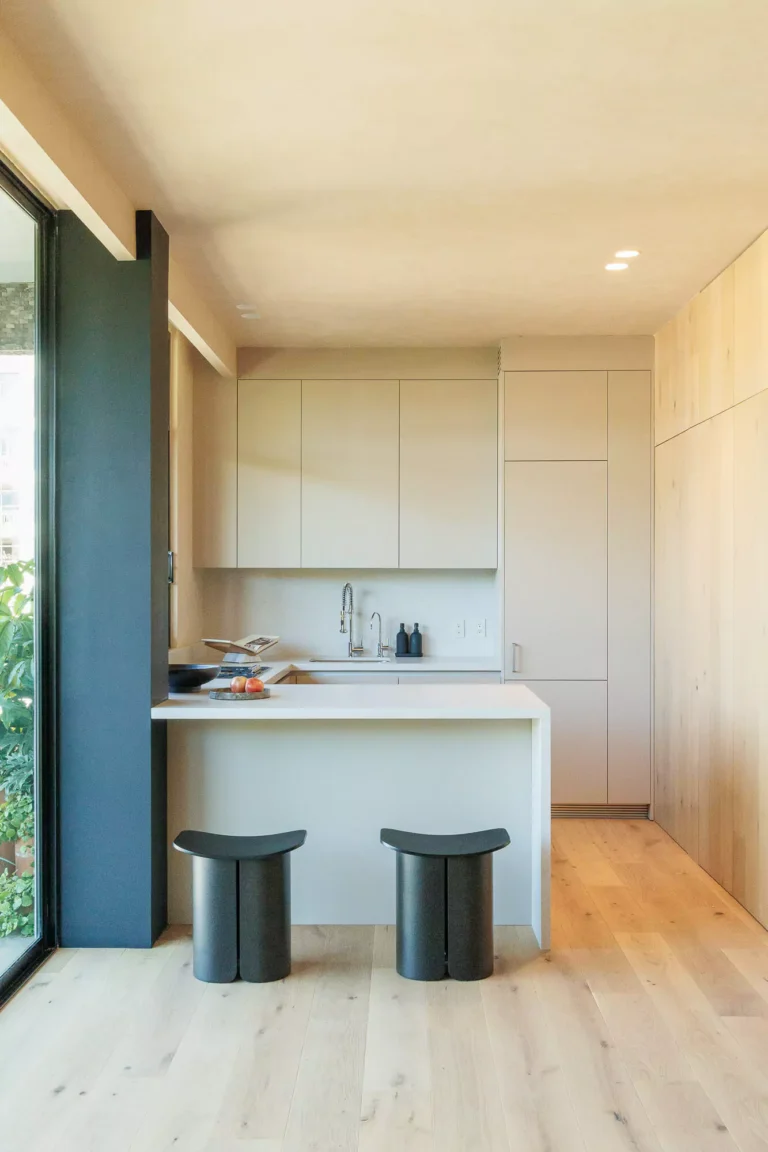
Vertical living. A significant portion of CDMX housing stock consists of apartments in multi-story buildings. This means shared plumbing risers, building-level gas regulations, condominium approval requirements, and noise restrictions. A kitchen remodel in a Condesa apartment is a different project from one in a Lomas de Chapultepec house — logistically, legally, and technically.
Integrated fabrication. Unlike the US model where you buy cabinets from one company, countertops from another, and hire a separate installer, kitchen fabrication in Mexico is commonly handled as a single integrated process. This actually simplifies the project, provided you choose a team capable of managing the full scope.
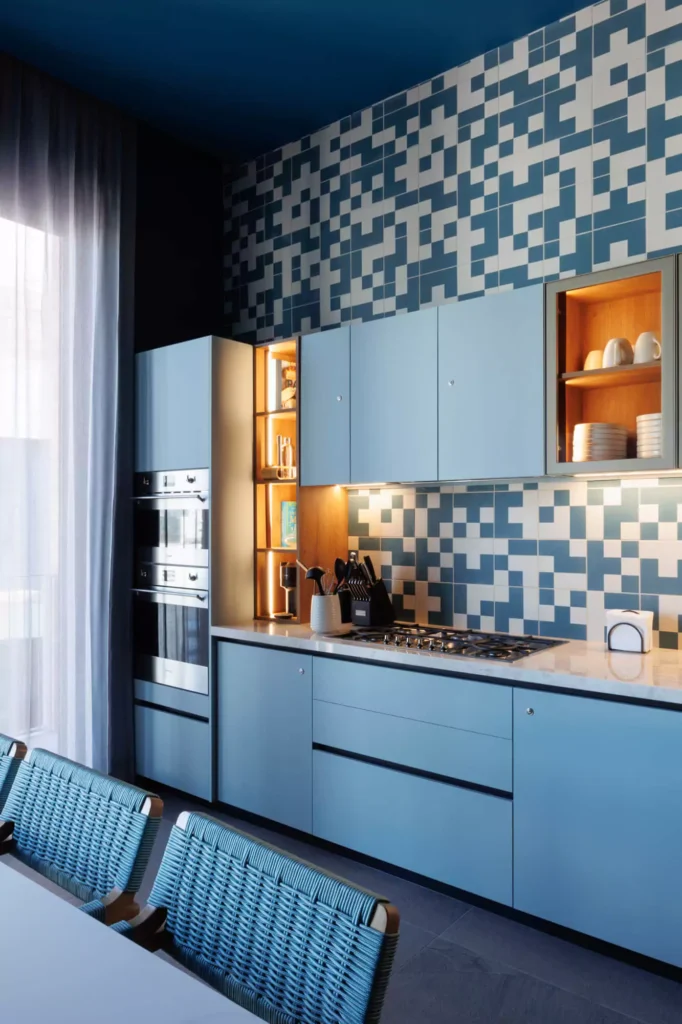
Kitchen remodeling costs in Mexico City
Cost is the first question, and it deserves a direct answer. The figures below reflect 2025–2026 market conditions in Mexico City for a well-executed kitchen project with quality materials and professional labor.
Three levels of kitchen renovation
Cosmetic refresh — $80,000 to $200,000 MXN ($4,500 to $11,000 USD) Replacing doors and drawer fronts, updating hardware, new countertop surface, fresh paint. The cabinet structure remains. No plumbing or electrical changes. This is the fastest option — typically two to four weeks — and makes sense when the existing layout works well but the finishes are dated.
Intermediate remodel — $200,000 to $360,000 MXN ($11,000 to $20,000 USD) New cabinetry, countertops, and backsplash. May include updated lighting, minor plumbing adjustments, and new appliances. The footprint remains roughly the same, but the kitchen is functionally and aesthetically new. Timeline: six to ten weeks.
Full architectural remodel — $360,000 to $1,200,000+ MXN ($20,000 to $65,000+ USD) Complete redesign of layout, materials, and systems. May involve moving walls, relocating plumbing and gas, integrating with adjacent living areas, and specifying premium materials and appliances. This is a design-led project that requires architectural documentation. Timeline: three to six months.
How these costs compare to the US and Canada
For comparable quality — same grade of materials, same level of craftsmanship, same complexity — kitchen remodeling in Mexico City typically costs 30 to 50 percent less than equivalent work in major US or Canadian cities. A kitchen that would cost $50,000 to $80,000 USD in Los Angeles, Houston, or Toronto can be executed at $20,000 to $45,000 USD in Mexico City.
The savings come primarily from labor costs and local fabrication, not from lower-quality materials. In fact, many of the premium surfaces and hardware systems used in Mexican kitchens — Dekton, Silestone, Blum, Grass — are the same European brands specified in high-end US projects.
What drives cost up
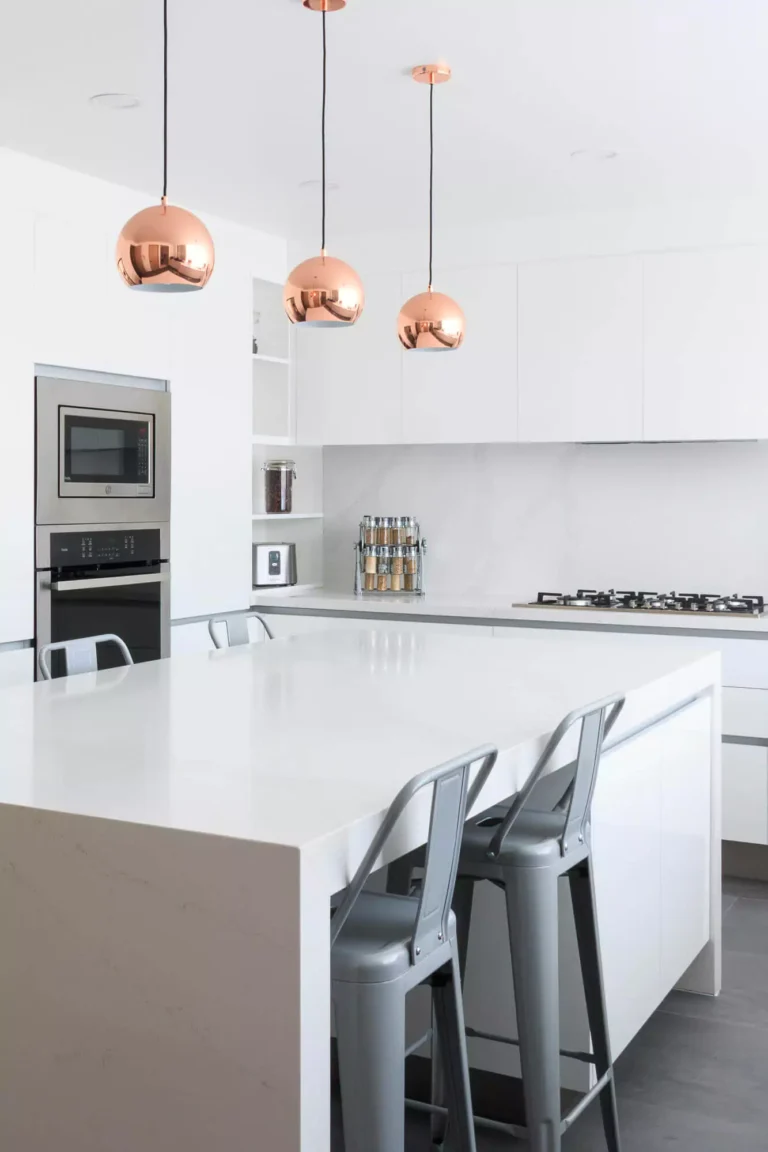
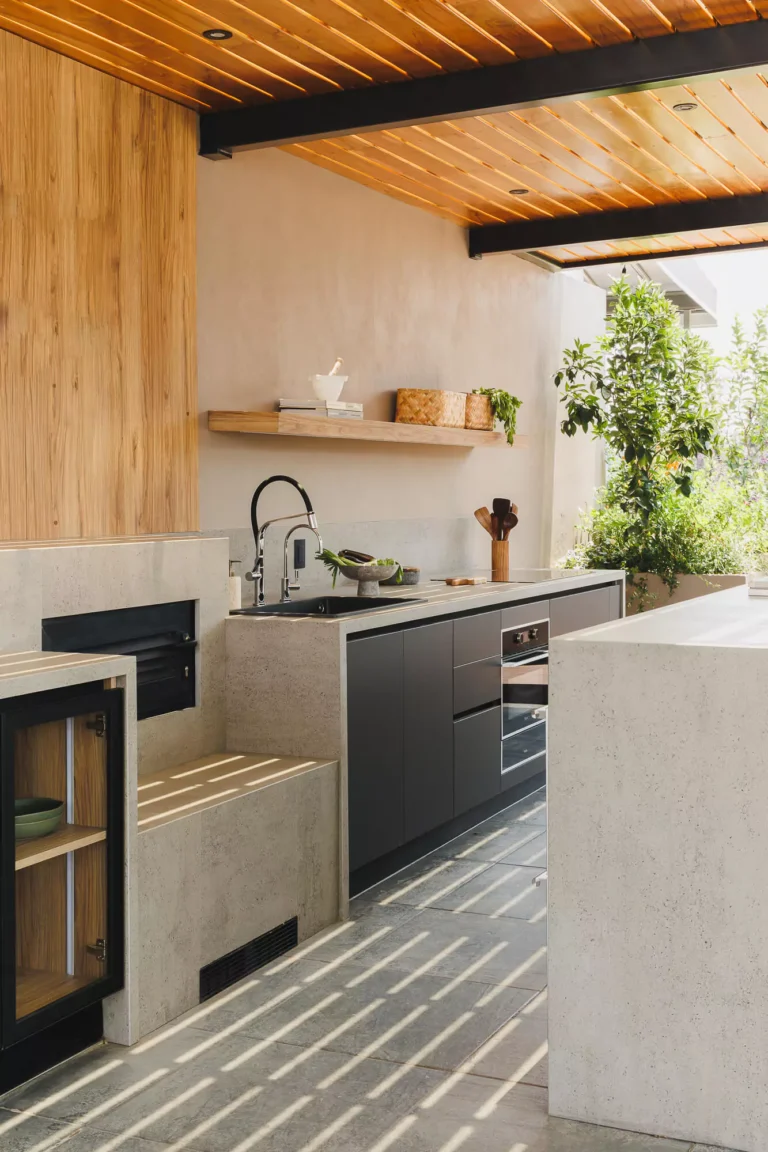
Several factors push kitchen costs toward the higher end of the range: imported stone or engineered countertops (Dekton, Caesarstone), European premium appliances (Miele, Thermador, Sub-Zero), integrated lighting systems, structural modifications to the existing space, and custom metalwork or specialty finishes. Island kitchens with waterfall countertops and integrated sinks also carry a premium due to material waste and fabrication complexity.
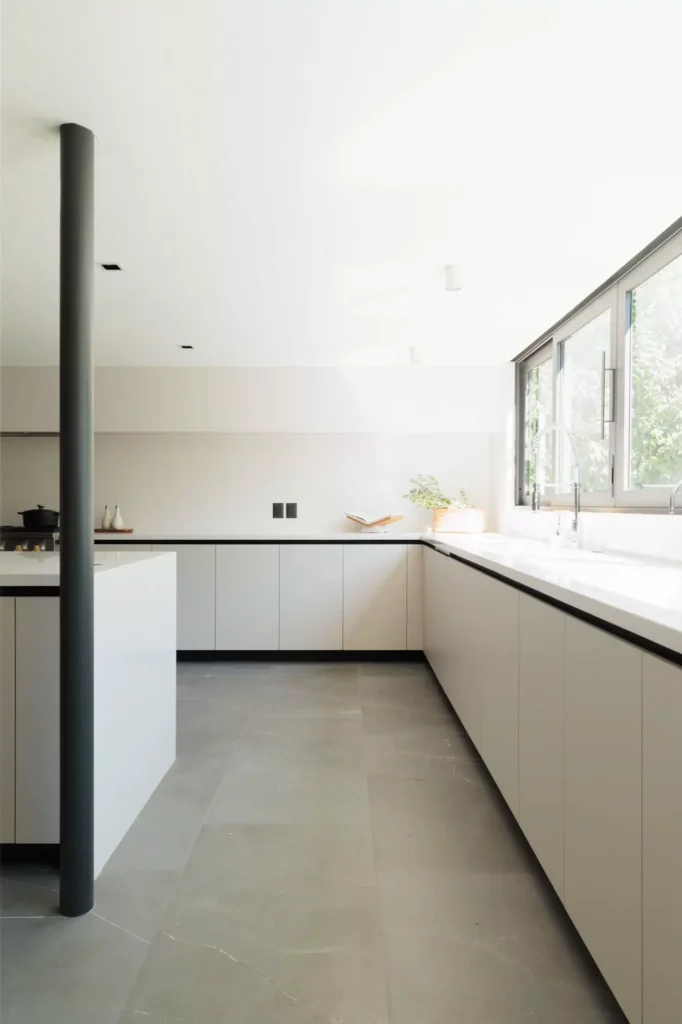
The remodeling process, from planning to completion
Before you begin: the assessment
Every kitchen remodel should start with an honest assessment of three things: the existing space (structural conditions, plumbing and electrical positions, ventilation), your priorities (is the goal more storage, better workflow, updated aesthetics, or all three?), and your budget (including a 10 to 15 percent contingency for unforeseen conditions behind walls).
If you’re working in an apartment, check your building’s regulations before committing to a scope. Some condominiums restrict work hours, prohibit structural modifications, or require advance approval from the administración.
Design and planning
A professional kitchen project begins with measured drawings of the existing space, followed by a design proposal that addresses layout, materials, and technical systems. This phase typically produces floor plans, elevations, 3D visualizations, and a preliminary budget.
For a custom project, expect this phase to take two to four weeks. It is worth every day. Decisions made at this stage — where the sink goes, how deep the countertops are, whether the refrigerator is paneled or freestanding — cascade through every subsequent phase. Changing your mind during fabrication is expensive.
Technical documentation
Once the design is approved, a detailed technical package is developed: fabrication drawings with precise measurements, material specifications, hardware schedules, and coordination documents for plumbing, electrical, and gas installations. This is the blueprint that the workshop and installation team will work from.
Fabrication
Custom cabinetry in Mexico is typically fabricated in a workshop, not assembled on site from flat-packed components. This allows for tighter tolerances, better finishing, and quality control that site-built work cannot match. Fabrication timelines range from four to eight weeks depending on complexity and material availability.
Installation
Installation in Mexico follows a specific sequence: first, any structural or plumbing modifications are completed and walls are finished. Then cabinetry is delivered and installed. Countertops are templated after cabinets are in place (not before — a common error) and fabricated to exact measurements. Finally, appliances are integrated, hardware is adjusted, and the kitchen is commissioned.
Professional installation typically takes five to ten working days for a complete kitchen.
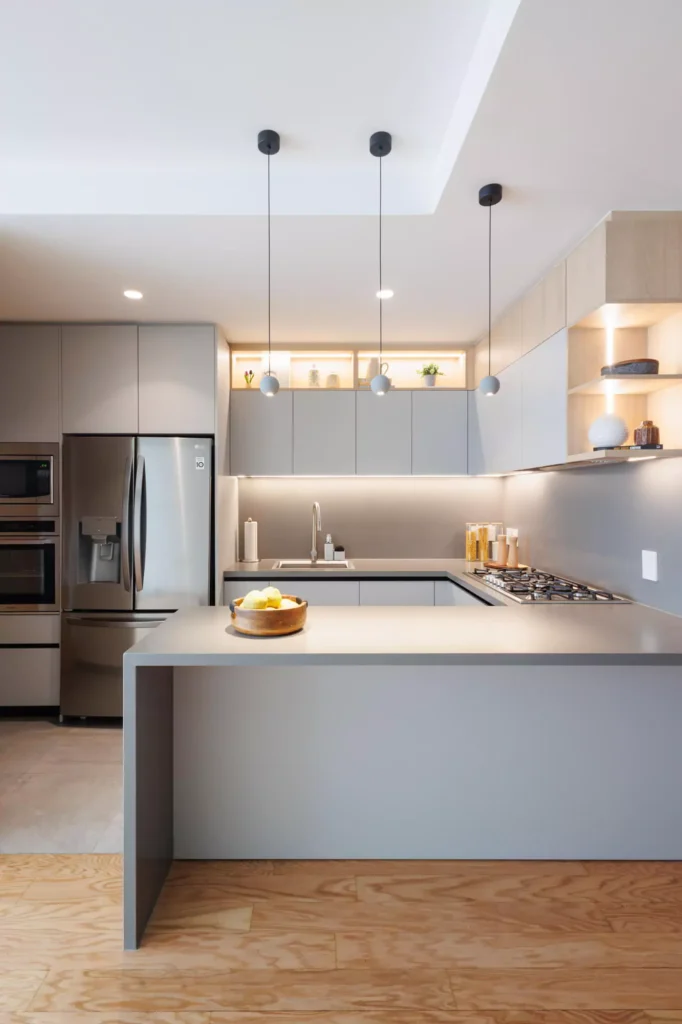
Common mistakes to avoid
Starting without a plan. The most expensive kitchen renovation mistake is not a bad material choice — it’s beginning demolition before the design is complete. Every decision deferred to the construction phase costs more than the same decision made during planning.
Choosing on price alone. Mexico’s kitchen market spans from budget carpinterías to design studios. The lowest quote is rarely the best value. Ask what’s included: does the price cover design, hardware, countertop, installation, and warranty? Or just the cabinet boxes?
Ignoring ventilation. CDMX apartments frequently have inadequate kitchen ventilation. If your kitchen doesn’t have an exterior exhaust route, plan for it during the remodel — not after. Recirculating hoods are a last resort, not a standard solution.
Underestimating timeline. A complete kitchen remodel in Mexico City takes three to five months. Not three to five weeks. Realistic scheduling prevents frustration. Factor in material lead times (some imported surfaces take four to six weeks to arrive), holiday periods, and the possibility that opening a wall reveals conditions that require additional work.
Skipping the contingency. Behind every wall in Mexico City is a mystery. Old plumbing, irregular wiring, structural conditions that don’t match the original plans. Budget an additional 10 to 15 percent for discoveries. If you don’t use it, that’s a welcome surplus.
Choosing the right team
The team you choose determines the quality of the process as much as the quality of the result. In Mexico City, your options range from independent carpenters to modular kitchen showrooms to full-service design studios.
For a cosmetic refresh, a skilled carpenter with good references may be sufficient. For an intermediate or full remodel, a design studio that controls the process from concept through installation provides significantly more predictability, coordination, and accountability.
Key questions to ask any team: Can you show me completed projects? Do you produce technical documentation? Who manages installation? What does your warranty cover? And, critically: can we communicate effectively in both English and Spanish?
Frequently asked questions
How much does a kitchen remodel cost in Mexico City?
Costs range from approximately $80,000 MXN ($4,500 USD) for a cosmetic refresh to $1,200,000+ MXN ($65,000+ USD) for a full architectural remodel with premium materials and appliances. A mid-range remodel with new custom cabinetry and countertops typically falls between $200,000 and $360,000 MXN ($11,000 to $20,000 USD).
How long does a kitchen remodel take in Mexico City?
A cosmetic update takes two to four weeks. An intermediate remodel takes six to ten weeks. A full architectural renovation — including design, fabrication, and installation — typically requires three to five months.
Is kitchen renovation cheaper in Mexico than in the US?
For comparable quality, kitchen renovation in Mexico City costs approximately 30 to 50 percent less than equivalent work in major US cities. The savings come primarily from labor and local fabrication costs, not from lower-quality materials.
Do I need permits to remodel a kitchen in Mexico City?
Cosmetic renovations generally do not require permits. Structural changes, plumbing relocations, or modifications to a building’s facade may require a constancia de obra from the local alcaldía. Work in condominium buildings may also require approval from the building’s administration.
Can I remodel a kitchen while living part-time in Mexico?
Yes. Many projects are managed with clients who travel between countries. A professional studio can manage the process remotely with regular video updates, shared documentation, and clear milestone approvals. At minimum, plan to be present for the initial design meeting and the final walkthrough.
What should I do with my kitchen during renovation?
Plan for temporary cooking arrangements. In CDMX apartments, many homeowners set up a temporary station in another room with a portable induction burner, a small refrigerator, and access to a bathroom sink. Full kitchen remodels will render the space unusable for four to eight weeks.
Planning a kitchen remodel?
Every kitchen project starts with understanding the space and the possibilities. If you’re considering a renovation in Mexico City, we’re glad to walk you through what’s realistic for your home.